
How Much Does an Overhead Crane System Cost?

There is no single standard price for an overhead crane system. Two systems with the same rated capacity can have very different total project costs.
For budgeting, the important questions are what the proposal includes, and what work is required to put the crane into operation.
1. What Drives the Cost of an Overhead Crane Project?
Most project-cost differences come from a small group of factors. These are the items worth defining first when building an early budget.
Cost factor | Why it matters |
Capacity | Heavier loads generally require larger crane and hoist components. |
Span and coverage | A crane covering a larger area may require a different bridge, runway, and installation scope. |
Crane type | Single-girder, double-girder, KBK, monorail, and other systems have different equipment and structural requirements. |
How often it is used | A crane running across multiple production shifts has different requirements from one used occasionally for maintenance. |
Building and runway | Existing structure, runway supports, available space, foundations, and electrical access can substantially affect the project. |
Controls | Basic pendant or radio operation is different from projects requiring precise positioning, variable speeds, or synchronized lifting. |
Installation | Site access, electrical work, assembly, shutdown restrictions, and coordination with other trades affect installed cost. |

Where Demag Fits Into the Budget
Norbac III International Co. is listed in Demag’s official distributor network. We supply Demag crane and hoist systems, including the Demag V-Type.
2. Equipment Price vs. Total Installed Project Cost
Before comparing prices, confirm what each proposal actually includes. An equipment-only proposal can look much less expensive than a project that also covers the runway, electrical work, installation, testing, and coordination with the facility.
An equipment-only proposal may include
Crane and bridge components
Hoist and trolley
Controls
Freight
A complete installed project may also include
System design and engineering
Runway or supporting structure
Electrical systems
Installation
Testing and final handoff
Coordination with the facility and other trades
3. What a Larger Turnkey Scope Can Look Like
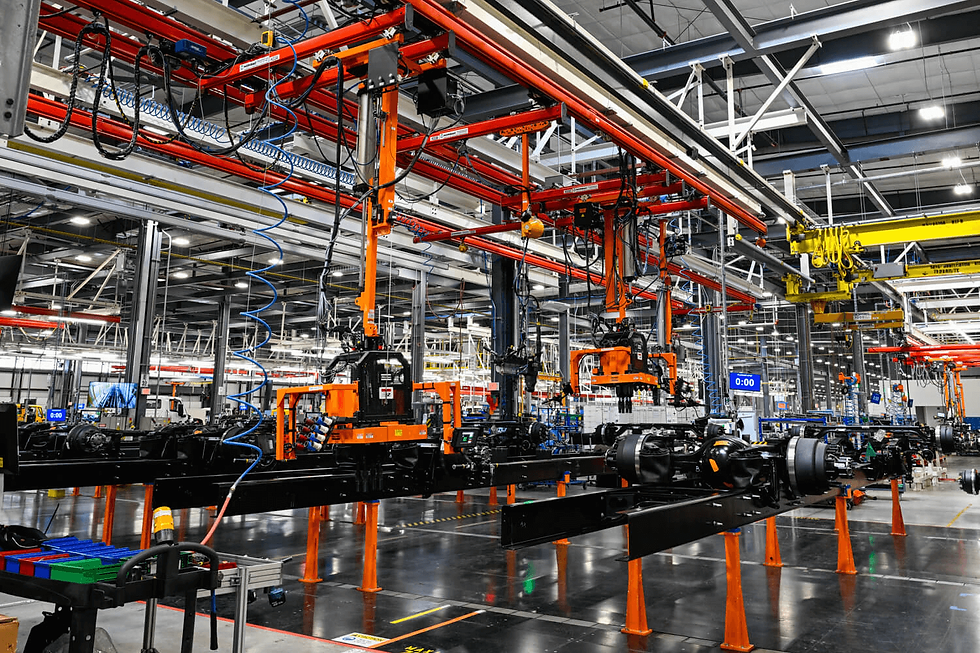
Truck Manufacturer in San Antonio: A Turnkey Rail and Hoist Project
At Norbac, we are a turnkey partner, not just an equipment supplier.
That is exactly how we supported a truck manufacturer's San Antonio facility, where we designed, engineered, supplied, installed, and tested more than 100 rail and hoist systems for their new truck manufacturing facility.
4. What to Have Ready Before Requesting a Budget
A useful first budget does not require a finished crane specification. Start with the project information that most directly affects scope and cost.
What needs to be lifted or moved
Maximum and typical load
Where it needs to move
Approximate span or coverage area
Required hook height
How often the crane will be used
Building dimensions or drawings
Facility or project location
Whether this is a new facility, expansion, retrofit, or replacement
Photos or layouts, if available
Not sure which crane type fits your facility? Read How to Choose the Right Overhead Crane System for a Manufacturing Facility.
Planning an Overhead Crane Project in Texas?
Norbac is an Austin-based Demag distributor and industrial solutions partner. We can help manufacturers define the lifting need, evaluate Demag and other appropriate crane options, and determine the engineering, equipment, installation, and testing scope needed for the project.
Tell us what you need to lift, where it needs to move, and what you're planning. We can help define the right next step.
Comments